
Guest written by Wolfpack member, Michael Fegan
Schools are very good at asking students what they think. A form goes out, responses come back, the data is collated and a few themes emerge. It is efficient, but it can also be remarkably cold. There is little dialogue and, once the form closes, students often have little involvement in what happens next. At best, a few actions are taken on students’ behalf. At worst, pupil voice becomes something the system can evidence rather than something students can actively exercise. Sir Ken Robinson famously argued that schools kill creativity. I wonder whether we can kill agency too, not by silencing students, but by asking for their views and then keeping them at arm’s length from what happens next.
Pupil voice is about having a say. Agency means having an active role in shaping what happens next. That is the transition I think schools need to make.
A better starting point
We have been trying to rethink this in our own school through Bett-inspired Table Talks with our student council.
Students are given a broad theme and a small number of prompts to stimulate discussion. The conversation is pupil-led, while teachers and school leaders sit back and listen. The aim is to understand how students experience the school, rather than immediately defend existing practice or explain why a suggestion will not work. The discussion then feeds into staff thinking and decision-making, and we return to the student council afterwards to explain what has happened.
Initially, this felt like a significant improvement in pupil voice. However, the more we used the process, the more obvious its limitation became: we were listening better, but we were still holding the power. We still synthesised the findings. We still presented the conclusions. We still decided which priorities moved forward. That is where the next step must be agency.
What agency could look like
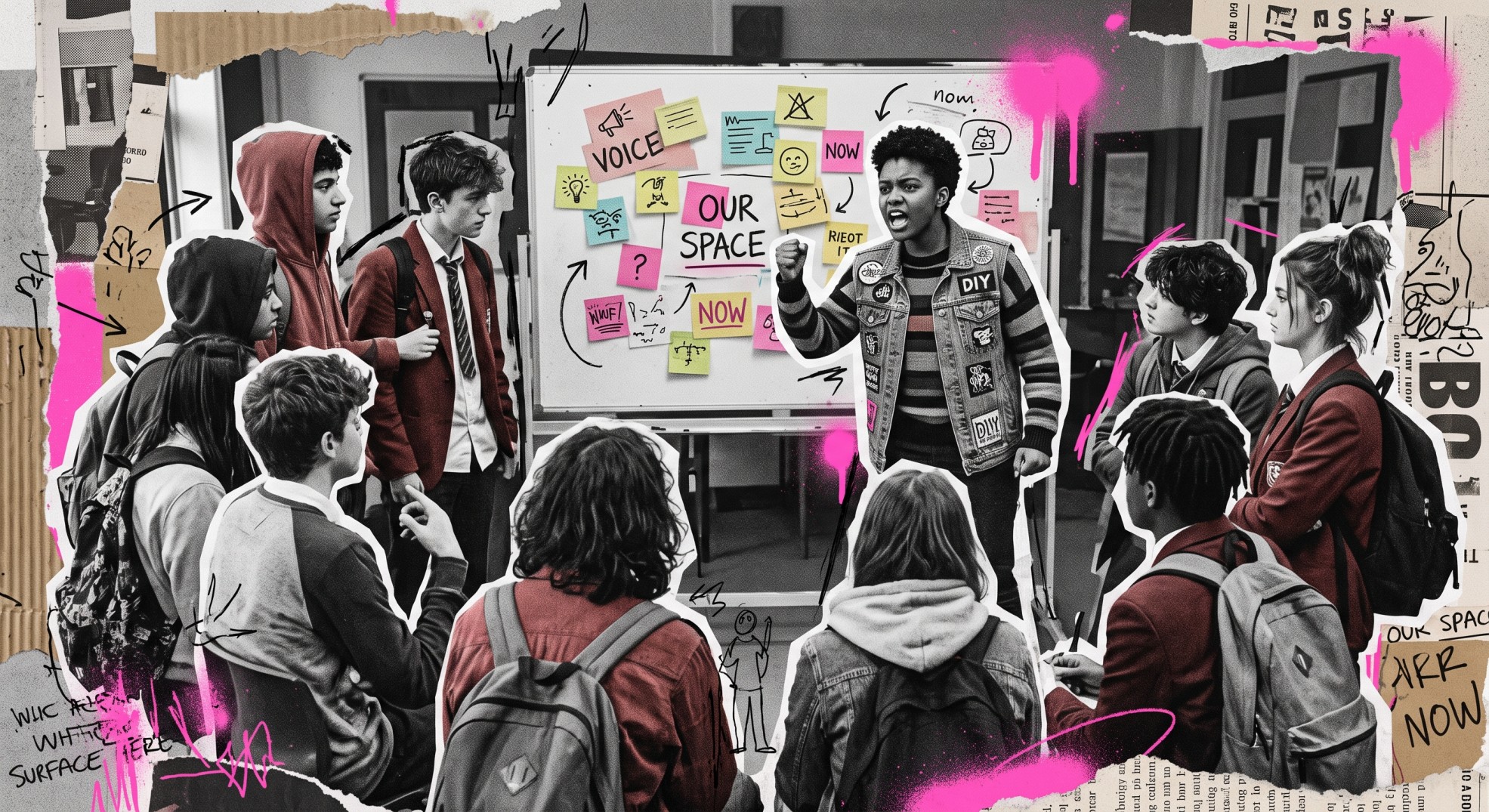
Agency begins when students remain part of the process after they have spoken. That might mean presenting their own conclusions to staff rather than having adults speak on their behalf. It could mean helping to decide which issues should be prioritised. In some cases, students could take part in leadership discussions where decisions directly affect their experience of school.
This is not about students having the final say. It is about recognising them as participants in the governance of the institution they experience every day. Students see school from a perspective that adults cannot fully replicate. If we value that perspective enough to ask for it, then we should also value it enough to keep students involved when decisions are made. This is where trust becomes important.
Genuine agency asks adults to give up some certainty. We worry that students may not understand the complexity, that they may challenge decisions or that involving them will make the process harder. But I have seen young people rise to the level of responsibility they are given. When we create the right conditions and trust them with something meaningful, they often show far more maturity than we anticipate.
Perhaps we need to spend less time worrying about what might go wrong and more time considering what could become possible if students were genuinely trusted to participate.
There is a wider educational purpose here too. If we want young people to participate meaningfully in society, schools should give them real opportunities to practice participation while they are still with us. They need experience of contributing to decisions, understanding competing priorities and seeing that having a voice also carries responsibility.
Key Takeaways
1. Make pupil voice ongoing. Students should have clear ways to contribute throughout the year, not only when a formal consultation takes place.
2. Ensure every student has a route to contribute. Student councils need ways to gather views from beyond the small group of pupils who attend the meetings.
3. Close the feedback loop. Students should know what changed, what did not and why.
4. Let students represent their own thinking. Where possible, they should present findings and explain their priorities in their own words.
5. Create routes into decision-making. For issues that directly affect students, there should be genuine opportunities to take part in relevant leadership discussions and help shape the response.
The quality of pupil voice should not be judged by how often students are asked for their views. A better test is whether those views have any meaningful influence on what happens next. Pupil voice should be the beginning of the process, not the end. The real test is whether students are trusted enough to remain part of the conversation when decisions are made.
Student Voice Is Not Enough
Guest written by Wolfpack member, Michael Fegan
Schools are very good at asking students what they think. A form goes out, responses come back, the data is collated and a few themes emerge. It is efficient, but it can also be remarkably cold. There is little dialogue and, once the form closes, students often have little involvement in what happens next. At best, a few actions are taken on students’ behalf. At worst, pupil voice becomes something the system can evidence rather than something students can actively exercise. Sir Ken Robinson famously argued that schools kill creativity. I wonder whether we can kill agency too, not by silencing students, but by asking for their views and then keeping them at arm’s length from what happens next.
Pupil voice is about having a say. Agency means having an active role in shaping what happens next. That is the transition I think schools need to make.
A better starting point
We have been trying to rethink this in our own school through Bett-inspired Table Talks with our student council.
Students are given a broad theme and a small number of prompts to stimulate discussion. The conversation is pupil-led, while teachers and school leaders sit back and listen. The aim is to understand how students experience the school, rather than immediately defend existing practice or explain why a suggestion will not work. The discussion then feeds into staff thinking and decision-making, and we return to the student council afterwards to explain what has happened.
Initially, this felt like a significant improvement in pupil voice. However, the more we used the process, the more obvious its limitation became: we were listening better, but we were still holding the power. We still synthesised the findings. We still presented the conclusions. We still decided which priorities moved forward. That is where the next step must be agency.
What agency could look like
Agency begins when students remain part of the process after they have spoken. That might mean presenting their own conclusions to staff rather than having adults speak on their behalf. It could mean helping to decide which issues should be prioritised. In some cases, students could take part in leadership discussions where decisions directly affect their experience of school.
This is not about students having the final say. It is about recognising them as participants in the governance of the institution they experience every day. Students see school from a perspective that adults cannot fully replicate. If we value that perspective enough to ask for it, then we should also value it enough to keep students involved when decisions are made. This is where trust becomes important.
Genuine agency asks adults to give up some certainty. We worry that students may not understand the complexity, that they may challenge decisions or that involving them will make the process harder. But I have seen young people rise to the level of responsibility they are given. When we create the right conditions and trust them with something meaningful, they often show far more maturity than we anticipate.
Perhaps we need to spend less time worrying about what might go wrong and more time considering what could become possible if students were genuinely trusted to participate.
There is a wider educational purpose here too. If we want young people to participate meaningfully in society, schools should give them real opportunities to practice participation while they are still with us. They need experience of contributing to decisions, understanding competing priorities and seeing that having a voice also carries responsibility.
Key Takeaways
1. Make pupil voice ongoing. Students should have clear ways to contribute throughout the year, not only when a formal consultation takes place.
2. Ensure every student has a route to contribute. Student councils need ways to gather views from beyond the small group of pupils who attend the meetings.
3. Close the feedback loop. Students should know what changed, what did not and why.
4. Let students represent their own thinking. Where possible, they should present findings and explain their priorities in their own words.
5. Create routes into decision-making. For issues that directly affect students, there should be genuine opportunities to take part in relevant leadership discussions and help shape the response.
The quality of pupil voice should not be judged by how often students are asked for their views. A better test is whether those views have any meaningful influence on what happens next. Pupil voice should be the beginning of the process, not the end. The real test is whether students are trusted enough to remain part of the conversation when decisions are made.