
Rewilding Education: From Monoculture to Thriving Rainforest
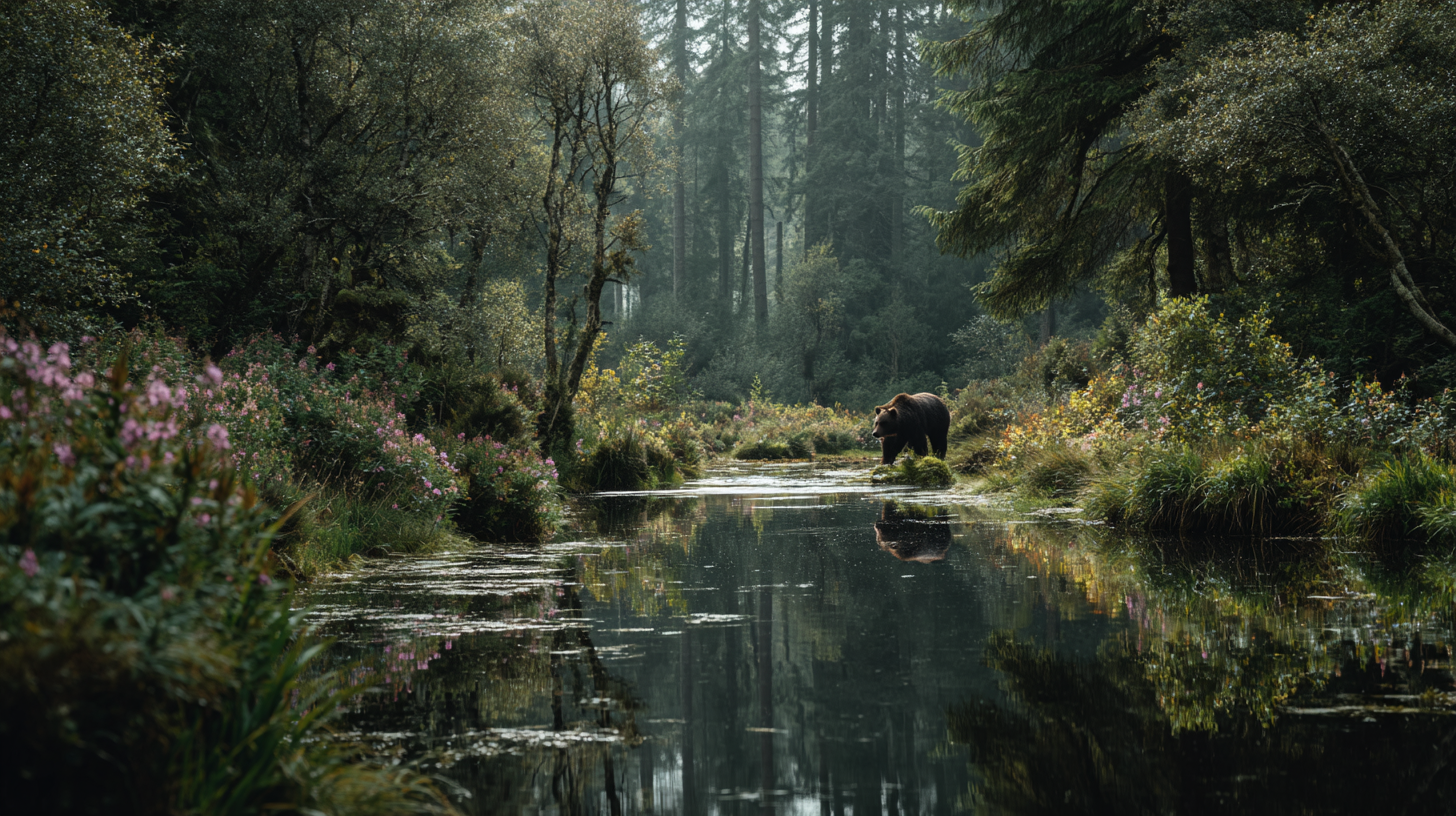
In mainstream education, we’ve become overly fixated on planting and harvesting crops. We concentrate too much on standardised practices and outcomes. We treat students, teachers, and leaders as though they’re uniform seeds expected to grow into a predefined shape and size. But education shouldn’t be about cultivating a monoculture of obedient plants; it should be about creating a thriving rainforest, an ecosystem of diversity, creativity, and innovation where every individual can flourish.
A move from a crop mentality to a rainforest model is not our romantic vision; it’s a necessity for the future of education. In a rainforest, plants don’t grow in neat rows; they grow wild and free, competing and collaborating in a complex, interdependent system. The most successful ecosystems aren’t those that are most controlled, but those that are most diverse and resilient. Similarly, in schools and organisations, we should be nurturing an environment that encourages risks, fosters innovation, and embraces failure as a vital part of the learning and leadership process.
Creating such an environment hinges on one critical factor: psychological safety. Without it, even the most forward-thinking strategies will wither and die. Psychological safety is the bedrock of a thriving educational culture. It's the trust and openness that allow leaders, teachers, and students to take risks, challenge norms, and experiment with new ideas. It’s the freedom to fail without fear of ridicule or reprisal, and the assurance that every failure is often just a step towards growth.
To foster psychological safety, schools and organisations must prioritise culture over compliance. A culture that values curiosity, encourages experimentation, and supports every member of the community is one where innovation can truly take root. This doesn’t mean abandoning structure or standards, but it does mean rethinking what success looks like. It means valuing the process over the product, and progress over perfection.
Leaders in education must become gardeners of this rainforest, not farmers of a monoculture. They should be less concerned with controlling outcomes and more focused on nurturing the conditions in which extraordinary practice can flourish. This requires a radical shift in mindset, a rebellion against the status quo that demands compliance and uniformity. It means championing creativity, empowering teachers, and giving students, educators and leaders the space to explore, fail, and grow.
5 Ways to Turn Your Classroom into a Jungle: Survival of the Most Creative
- Embrace a Rainforest Model - Let’s shift from a controlled, uniform approach to education to one that values diversity, creativity, and resilience not a prescription which is the same for all.
- Prioritise Psychological Safety: Create a culture where leaders, teachers, and students feel safe to take risks, fail, and learn without fear. People are less likely to take a risk if they know they are in danger if it fails.
- Value Culture Over Compliance: Focus on building a supportive, innovative culture rather than enforcing rigid standards and outcomes.
- Redefine Success: Recognise that true success in education is about progress, not perfection, and that the process is as important as the product. There is no finish line and learning is an infinite game not passing certain tests or getting grades.
- Lead as a Gardener, Not a Farmer: Cultivate an environment where extraordinary practice can grow naturally, rather than trying to control every outcome. We must remember that we do not know everything and often create space and autonomy which is guided and supported and often the real challenge as a leader at any level is trusting and letting go, whether that be leading a group of learners, teams or whole organisations.