
Stop Killing Joy: The Revolution Will Be Playful
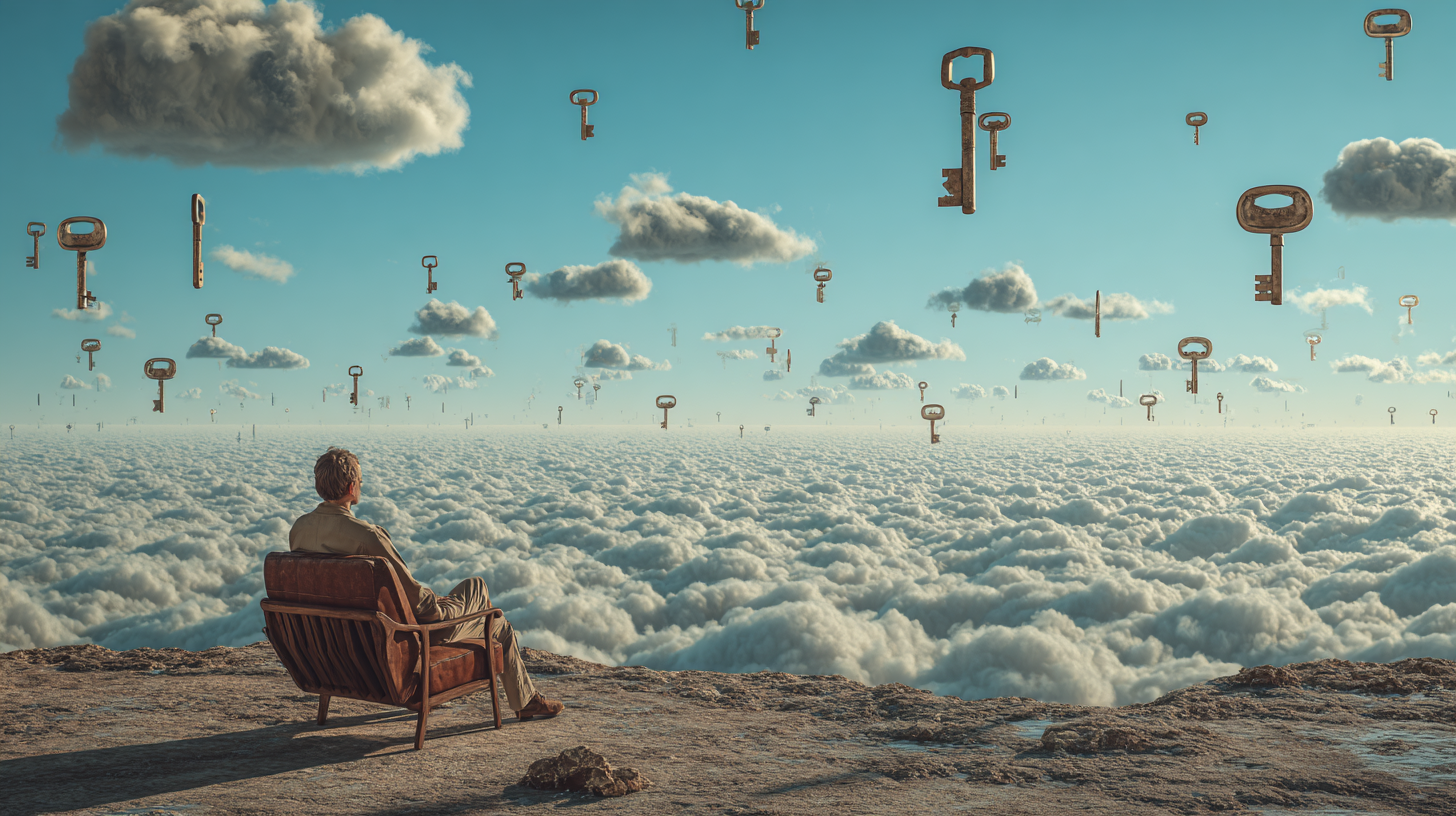
Walk into most schools and you'll see it - kids sitting in rows, staring at screens or worksheets, their natural curiosity slowly being drained away. We've managed to take something humans are literally wired to do - play and explore - and turn it into a chore. It's like we're running some bizarre experiment to see how effectively we can crush the joy out of learning.
Remember when you were little? Everything was an adventure. A cardboard box could be a spaceship. A pile of blocks could become a city. That wasn't just mucking about - that was serious learning happening. The kind of deep, engaged learning that Montessori spotted over a century ago when she watched kids in the slums of Rome teaching themselves through exploration and play.
The Science Behind the Fun
Play isn't some frivolous extra we should squeeze in between 'real' learning. It IS the real learning. When kids are deeply engaged in play, their brains are lighting up like Christmas trees. They're developing executive function, problem-solving skills, emotional regulation, and social intelligence. They're literally building the neural pathways they'll need for everything from reading to rocket science.
But instead of embracing this natural learning engine, we've created an education system that treats play like it's a reward you get after the 'important' stuff. It's backwards. It's bonkers. And it's breaking our kids.
Montessori Wasn't Messing About
Maria Montessori wasn't just some idealistic dreamer - she was a scientist who revolutionised our understanding of how kids learn. She saw that children are natural scientists, engineers, and artists. Give them the right environment and materials, step back, and watch the magic happen. No need for gold stars or punishment - kids are born with an innate drive to explore and understand their world.
Where the Magic Happens
Over in Reggio Emilia, they took this idea even further. In their schools, the environment itself is considered a teacher. Every space is thoughtfully designed to spark curiosity and enable exploration. Art studios sit at the heart of their schools - not tucked away as an afterthought. They understand that creativity isn't just about making pretty pictures - it's a way of thinking, of solving problems, of expressing ideas.
Breaking Free from the Worksheet Factory
So what would it look like if we actually built our education system around how kids naturally learn? Imagine schools where:
- Learning spaces are designed for exploration, not just instruction
- Teachers are guides who observe and support, not just lecture and test
- The curriculum emerges from children's interests and questions
- Play is seen as serious work, not just a break from learning
- Every child's unique developmental timeline is respected
- Documentation captures the learning process, not just the outcome
The Real World Doesn't Come with Answer Keys
Look at any successful adult - whether they're running a business, designing buildings, or curing diseases. What skills do they need? Creative problem-solving. Collaboration. The ability to learn from failure. Curiosity. Resilience. You know, all those things that play naturally develops.
Yet we're still stuck in this industrial-age mindset where we think the best way to prepare kids for the future is to have them sit quietly and fill in worksheets. It's like trying to teach someone to swim by having them read books about swimming.
This isn't about turning schools into chaotic free-for-alls. Both Montessori and Reggio Emilia demonstrate that play-based learning requires careful observation, thoughtful preparation, and skilled facilitation. It's about creating environments where:
- Materials are carefully chosen to support development
- Space is organised to enable both independence and collaboration
- Teachers observe and document to understand each child's journey
- Learning follows natural developmental sequences
- Children have real agency in their learning process
We don't need another educational reform that just reshuffles the same old deck. We need a revolution that puts play back at the heart of learning. Because here's the truth: play isn't just how kids learn best, it's how humans learn best. When we're deeply engaged, taking risks, trying things out, and yes, having fun - that's when real learning happens.
So let's stop treating play like it's education's poor cousin. Let's stop pretending that worksheets and tests are somehow more rigorous than deep, engaged exploration. Let's create schools that work with children's natural development instead of against it.
Because the future won't be built by people who are good at following instructions and filling in the blanks. It will be built by people who know how to think creatively, solve problems collaboratively, and approach challenges with curiosity and joy.
The revolution will be playful.