
Unmasking the Skills Agenda: Rethinking the Knowledge-Rich Curriculum
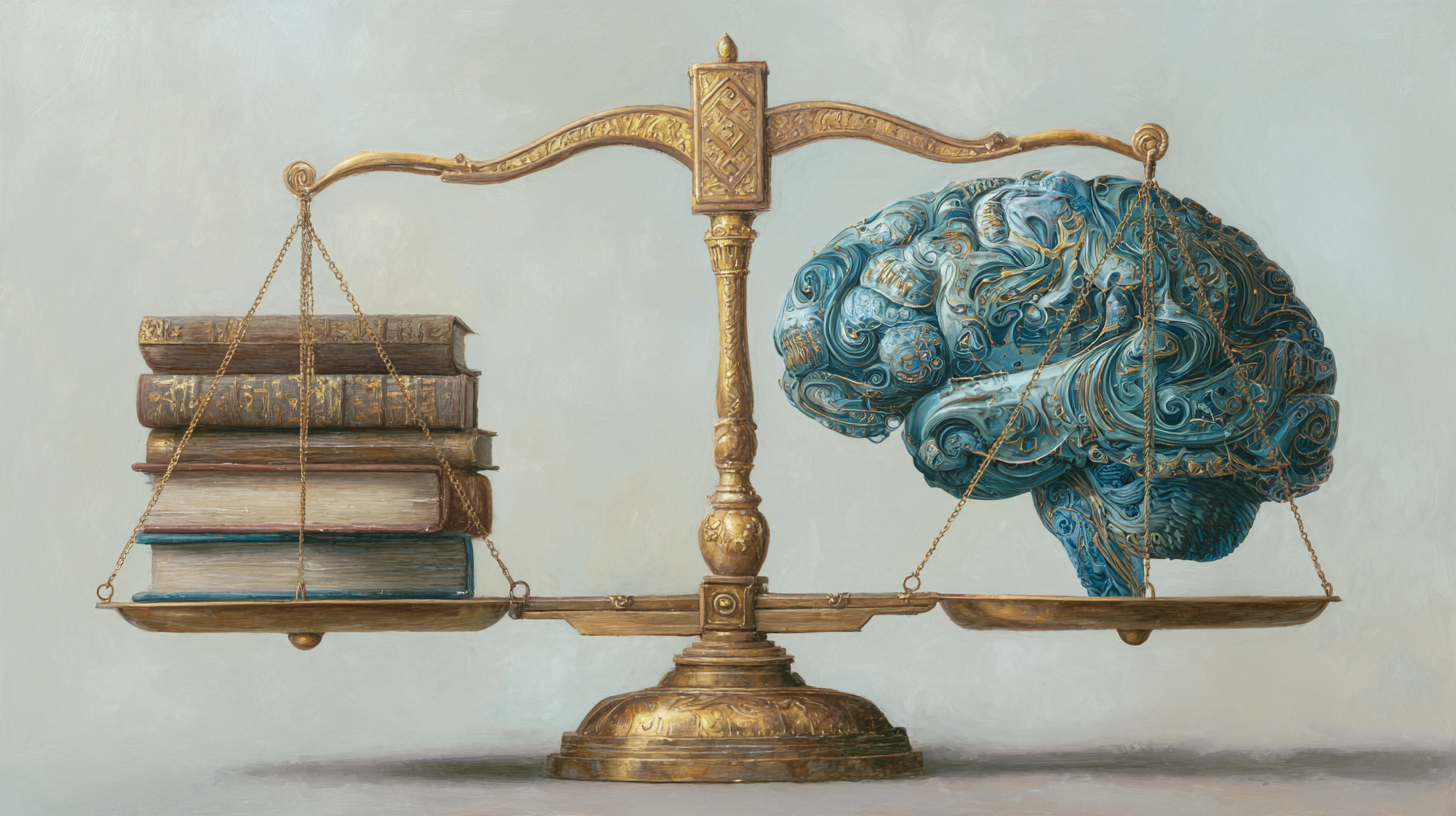
One of the most perplexing issues in education today is the fixation on a "knowledge-rich curriculum" that prioritises exam performance above all else. It's time for a wake-up call and for us to drive change, breaking free from this misguided approach to the skills agenda.
We've frequently discussed on our podcast and during our time in schools and FE that education should be more than just drilling facts into children's heads for exam purposes. Our current system is overly focused on standardised testing and league tables, reducing education to a numbers game. We talk about benchmarks and metrics as if we're running an accounting firm, not shaping the future of our society. But why? As Valerie Hannon discussed on our podcast and in her book Thrive, we would probably struggle to define the purpose of education in the UK. Can you truly define it?
We need to redefine the purpose of education. It's not about meeting arbitrary targets; it's about developing well-rounded, critical thinkers who can navigate life's complexities. We should be asking ourselves: are we preparing our children for the real world, or just for the next test? Shockingly, it's the latter, and this represents a monumental failure.
We believe we should take a page from Matthew Syed's book, Black Box Thinking. In aviation, every mistake is analysed to prevent future failures. Why aren't we doing the same in education? Instead of doubling down on a failing system, we should learn from our mistakes and constantly improve. We need an iterative, evidence-based approach to education, where feedback is not just welcomed but essential.
We live in a digital world, yet our education system remains stuck in the past. Today's children are native digitals (as opposed to learned digitals or digital natives - we talk about this on the podcast all the time!). They live and breathe technology. Why are we still teaching them using methods from the last century? Integrating technology isn't just an option; it's a necessity. We should be appropriately exploring AI tutors for personalised education and online platforms for collaboration. These tools can create a dynamic learning environment that goes beyond rote memorisation. If we don't adapt, we'll become as relevant as a fax machine in a world of smartphones.
Let's actually listen to students. The traditional teacher-centred approach is outdated. We need to put students at the heart of their own learning journey, tailoring education to their strengths and interests, not just operating a conveyor belt producing compliant, mass-produced individuals.
This may be a sensitive subject, but we believe teachers should be facilitators and mentors, guiding students to explore and discover. This isn't about spoon-feeding information; it's about empowering students to take charge of their own education. Trust us, they'll surprise you with what they can achieve when given the chance.
We love to use terms like creativity and critical thinking, but how often do we see them in action? Our current system stifles these essential skills, focusing instead on cramming information and getting into university. We need to foster an environment where students are encouraged to question, explore, and innovate. Project-based learning, interdisciplinary approaches, and real-world problem-solving should be the norm. Our children need to learn how to think, not just what to think.
Education is about developing well-rounded individuals who are ready to tackle life's challenges. That means addressing emotional and social well-being, too. We need to create a holistic education system, not just a one-dimensional one.
We need schools that support the holistic development of students. Mental health resources, extracurricular activities, and a curriculum that values life skills are just as important as academic achievements. It's about creating an inclusive environment where every student can thrive.
A skills-based curriculum isn't just a nice-to-have - it's essential for preparing our young people for the future. And that future is banging on our door right now. The magic happens when we strike the right balance between knowledge and skills, between guidance and independence.
Here's what we need to believe to make this work:
1. Skills and Knowledge Go Hand in Hand: It's not an either/or situation. A strong foundation of knowledge supports the development of crucial skills.
2. Real-World Relevance is Non-Negotiable: Every lesson should have clear connections to life outside the classroom. It's about making learning meaningful and applicable.
3. Embrace Technology as a Tool, Not a Threat: Digital literacy isn't just about using devices; it's about leveraging technology to enhance learning and creativity.
4. Assessment Needs a Major Overhaul: Standardised tests don't cut it anymore. We need diverse assessment methods that value problem-solving, collaboration, and personal growth.
5. Teachers as Learning Designers: It's time to move beyond the role of information provider. We're here to create powerful learning experiences and guide students through them.
The current system was appropriate for the time when it was created 100 years ago, but a system fixated on a "knowledge-rich curriculum" that does nothing but prepare children to pass exams is no longer suitable. It's time to embrace Black Box Thinking, put students first, integrate technology, foster creativity, and support holistic development.
Let's stop just talking about the skills agenda and start making it a reality in our classrooms. Welcome the change, nurture well-rounded learners, and watch in amazement as our students rise to meet the challenges of the 21st century.