
Why Real Learning Beats Death by Worksheet
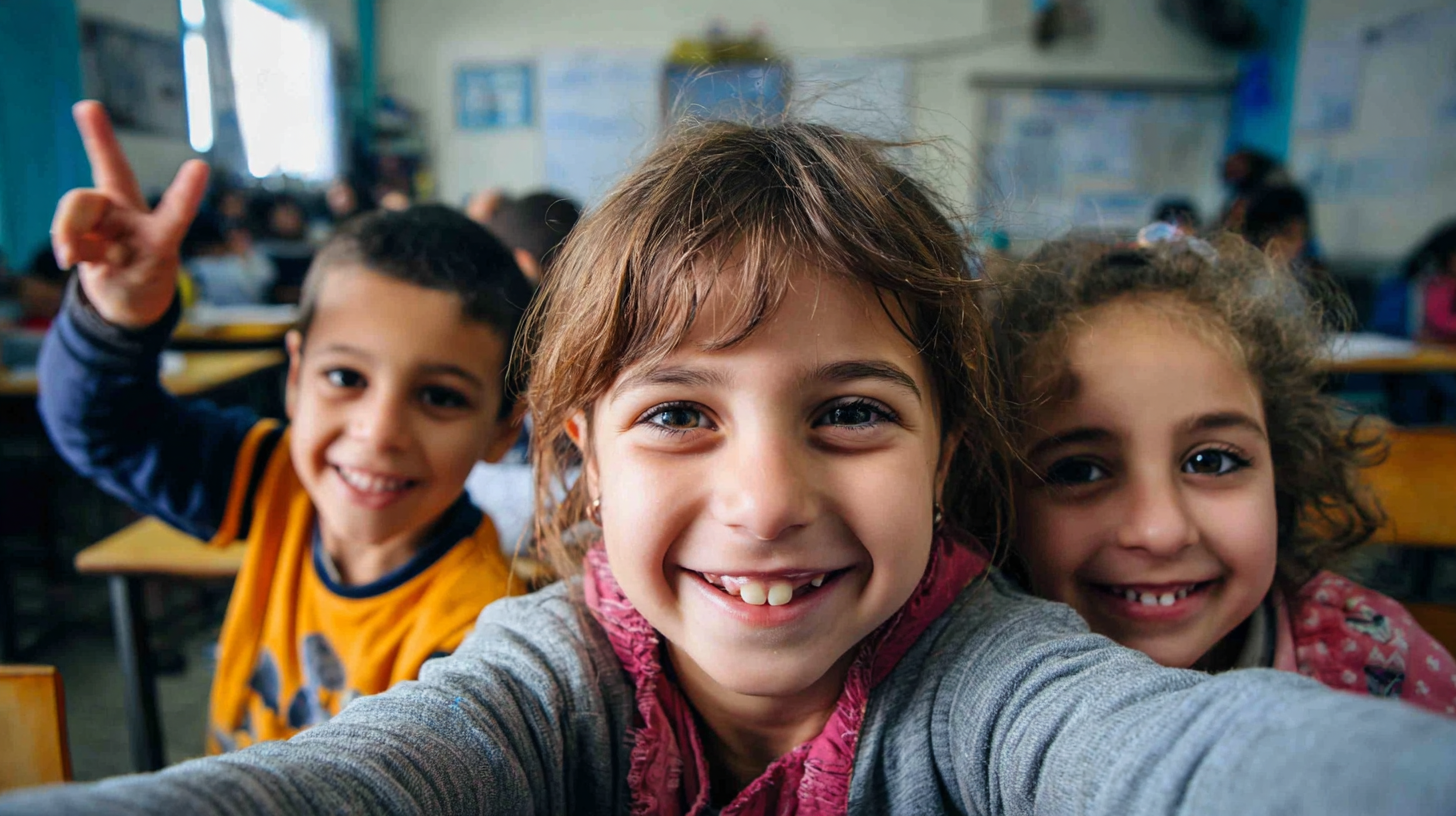
We've turned education into a bloody misery factory, and it's time to call it out. Somewhere between SATs prep and GCSE cramming, we've forgotten that humans learn best when they're actually enjoying themselves. Shocking concept, right?
In so many classrooms, kids are staring at the latest Twinkl worksheets that exist nowhere in the real world, solving problems so divorced from reality they might as well be happening on freakin' Mars. We've created this elaborate fiction where 'learning' happens in isolation from life, then act surprised when students ask "when will I ever use this shit?"
We've bought into this grim Victorian nonsense that if kids are having fun, they can't possibly be learning anything serious. Complete and utter bollocks. The most powerful learning happens when people are engaged, curious, and yes - having a good time doing it.
Watch a five-year-old messing about with blocks and you'll see more genuine learning in ten minutes than most secondary schools manage in a week. They're experimenting with physics, problem-solving, negotiating with mates, failing spectacularly, and trying again. They're completely absorbed and learning at breakneck speed. Then we stick them behind desks at age six and wonder where all the magic buggered off to.
The science is crystal clear - play activates reward systems, strengthens neural pathways, and creates the conditions where deep learning actually happens. When we suck the joy out of learning, we're literally working against how human brains are designed. It's like trying to run a car on custard.
Stop Playing School, Start Playing for Real
The biggest crime isn't just that we've removed play from learning - it's that we've disconnected learning from anything that actually matters. Kids spend years solving textbook problems that were outdated when their grandparents were at school.
Meanwhile, the real world is absolutely bursting with genuine challenges crying out for solutions. Climate crisis, social inequality, mental health epidemic, community breakdown - these aren't abstract future problems. They're urgent realities smacking our communities in the face right now. Yet schools persist in teaching sanitised, simplified BS that feels utterly disconnected from anything real.
Real-world learning means unleashing students on problems that actually exist. Not "imagine you're designing a bridge" but "the local council needs ideas for making this area more accessible." Not "write a letter to a fictional company" but "campaign to get better mental health support in schools." Not "calculate theoretical carbon emissions" but "measure and reduce our school's actual environmental impact."
These aren't neat, tidy problems with answers in the back of the book. They're messy, complex challenges that demand creativity, collaboration, and proper thinking. And guess what? That's exactly what the real world looks like.
When students tackle authentic problems, something magical happens. The artificial walls between subjects crumble like a stale biscuit. Maths becomes a tool for calculating actual carbon footprints, not abstract torture. English becomes persuasion for real change, not essays to please teachers. Science becomes investigation into how things work, not memorisation for tests.
The Joy Revolution
We need to wage war against this toxic idea that struggle equals rigour, that misery validates education. Joy isn't the enemy of deep learning - it's the gateway to it. Students who find genuine pleasure in their work push themselves harder, dig deeper, and stick with it longer than those motivated by fear or threats.
This doesn't mean turning every lesson into a party or avoiding challenging content. It means structuring learning so challenge feels like adventure, not punishment. It means celebrating curiosity over compliance, creativity over conformity, passion over performance.
The resistance comes from people who've confused quiet compliance with effective learning. They see kids enjoying themselves and immediately panic about standards dropping, chaos erupting, learning stopping. But it's the complete opposite - when students are genuinely engaged with meaningful challenges, they smash through every expectation we set.
Beyond the Factory Walls
Real purposeful learning can't be contained within school buildings. The richest learning opportunities exist out in communities - businesses, charities, cultural centres, local organisations. Students need to see how their learning connects to the wider world, not just to the next fandangled assessment.
This means forming proper partnerships, not token visits or fundraising stunts. Students become consultants, researchers, creators, contributors. They experience the satisfaction of making actual difference while developing skills that matter in adult life.
A student investigating homelessness for the local council learns more about social policy, data analysis, and human empathy than any textbook could teach. A group designing accessibility improvements for their community centre develops engineering skills, historical understanding, and civic responsibility all at once. A team creating resources for primary schools masters technology, pedagogy, and project management simultaneously.
These experiences transform students from passive recipients into active participants. They discover that learning isn't something done to them - it's something they do to understand and improve the world around them.
The Purpose Renaissance
When learning becomes joyful and relevant, students naturally start asking the questions that drive purposeful education: "How can I use this?" "What difference can I make?" "Who am I becoming through this work?" These are the questions that actually matter.
The current system actively crushes this kind of thinking. Students learn to ask "Will this be on the exam?" instead of "Why should I care?" They optimise for grades rather than growth, compliance rather than contribution, performance rather than purpose.
Purposeful education through play and real-world connection helps students discover their unique strengths and interests. They begin to see themselves as capable of meaningful contribution, not just consumers of predetermined content packages.
This is the rainforest model in action - creating conditions where every student can discover their own path to flourishing. Some emerge as environmental scientists, others as community organisers, still others as social entrepreneurs or creative innovators. All experience the deep satisfaction of using their minds to tackle challenges that actually matter.
The future belongs to people who think creatively, work collaboratively, and find meaning in continuous learning. None of these develop through passive absorption of disconnected information. They emerge through active engagement with real challenges in supportive, playful environments.
Our kids deserve better than death by worksheet. They deserve education that ignites curiosity, develops real capabilities, and connects them to purposes bigger than themselves. The choice is ours. Let's not fuck it up.
Here's what we need to do to unleash purposeful play:
- Bin the Worksheet Obsession: Stop with the endless busywork and artificial problems. If it doesn't connect to real-world challenges or genuine curiosity, chuck it in the bin where it belongs.
- Embrace Messy, Real Problems: Partner with local organisations to tackle genuine community challenges. Let students loose on climate action, social inequality, or mental health initiatives - problems that actually matter.
- Make Joy Non-Negotiable: Create learning environments where challenge feels like adventure, not punishment. If kids aren't engaged and curious, you're doing it wrong.
- Break Down Subject Silos: Real problems don't come in neat subject packages. Let maths, science, English, and history collide naturally when students tackle authentic challenges.
- Celebrate Process Over Product: Value the learning journey, the failed experiments, the creative solutions, and the collaborative breakthroughs more than the final grade or polished presentation.